Install a Sump Pump With Battery Backup
If your home has a basement, a sump pump is your first line of defense against flooding, but it's only as reliable as its power source. A battery backup keeps it running during the power outages that often accompany the same nor'easters that cause flooding in the first place.
Check Foundation Walls for Cracks Annually
Older Wilmington foundations, especially in historic neighborhoods, can develop small cracks that let groundwater seep in over time. A yearly visual check, especially after winter freeze-thaw cycles, catches problems while they're still small. Our basement water damage team can point out anything concerning during a visit.
Insulate Pipes in Unheated Spaces
Pipes running through unheated basements, crawlspaces, or exterior walls are the most common source of frozen and burst pipes during Delaware's winter cold snaps. Pipe insulation sleeves are inexpensive and significantly reduce freeze risk. Our burst pipe water damage page covers what happens if a pipe fails anyway.
Know Where Your Main Water Shutoff Valve Is
In an active leak, knowing exactly where your main shutoff valve is and being able to reach it quickly can be the difference between a contained incident and a flooded floor. Test it periodically to make sure it actually turns.
Clean Gutters and Check Roof Flashing
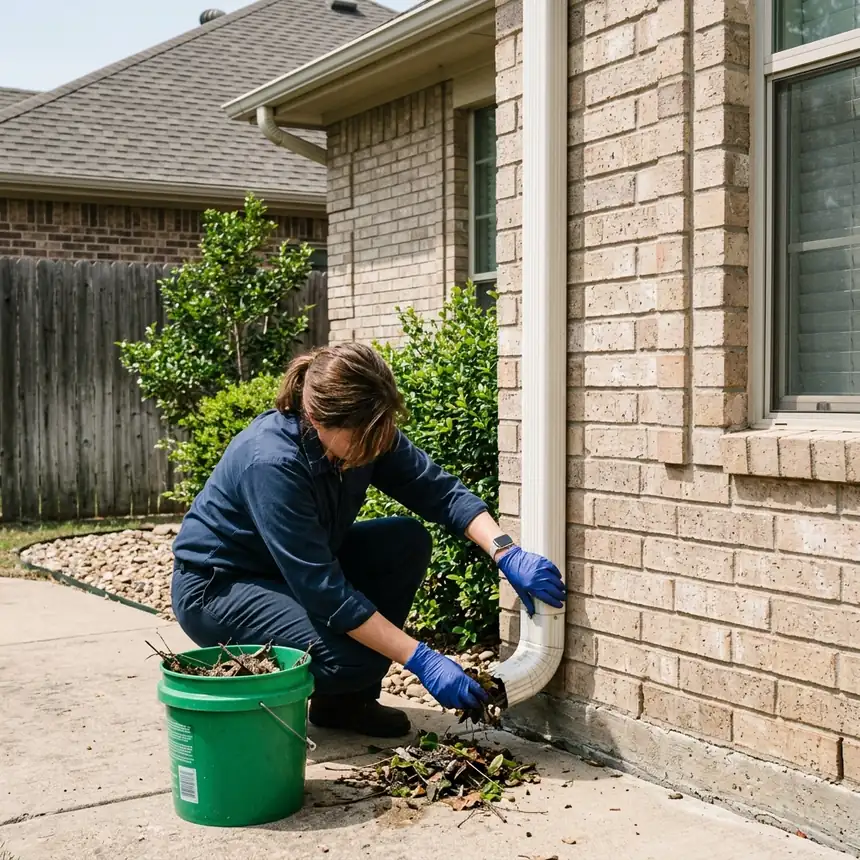
Clogged gutters during a nor'easter send water pooling against your roofline instead of away from your home, and aging roof flashing is a common entry point for slow leaks. A seasonal check before storm season catches both issues early.
Watch for Early Warning Signs
An unexplained rise in your water bill, a musty smell, or a faint ceiling stain are all worth investigating before they become a bigger event. See our guide on hidden water damage signs for the full list.
Schedule a Professional Moisture Check If You're Buying or Renovating
Older homes can have moisture issues that aren't visible during a casual walkthrough. A professional thermal imaging assessment before a purchase or major renovation can catch problems before they become your responsibility.
Grade Soil Away From Your Foundation
Soil that slopes toward your foundation instead of away from it directs rainwater exactly where you don't want it. Regrading low spots near your foundation walls, even a modest slope over a few feet, can meaningfully reduce the amount of water pressing against basement walls during heavy rain.
Extend Downspouts Away From the House
A downspout that empties right next to your foundation undoes much of the benefit of clean gutters. Extending downspouts several feet away, or routing them to a drainage area, keeps roof runoff from concentrating at the one place you don't want extra water.
Want a professional assessment of your Wilmington home's flood risk? Call us at (302) 360-1217. We're glad to point out anything worth addressing, even outside an active emergency.